

Pressure Atomizing Oil Burner Equipment and Systems – Fuel Flow and Combustion Controls
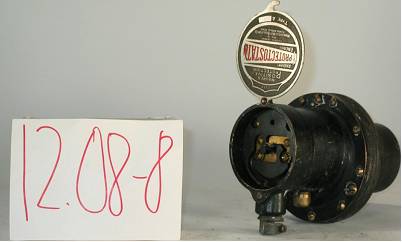
The “Protectostat”, a late 1940’s radiant heat sensor for combustion safety control. It would set new standard for combustion safety for higher firing rate, oil atomizing heating systems found in large Canadian estate homes, institutions and small industrial applications. Sited directly on the fire, it used a black metal diaphragm to mechanically actuate a low voltage control system through a Minneapolis Honeywell “Protectorelay”, Minneapolis Honeywell, Type A, Circa 1948.
Features:
– Handsome corporate name plate and logo in red, black and chrome
Technical Significance:
– Mounted adjacent to the burner fire tube, the device immediately sensed the radiant heat of combustion, providing here-to-for unheard of rapid response needed for the safe and satisfactory operation of larger oil fired boilers and furnaces, operating in the range of 3 to 12 gallons per minute of number 2 or 3 fuel oil.
– The Protectostat operated a Minneapolis Protectorelay, consisting of electro-magnetic switches and a thermal safety, automatic cut out timing device.
– The Protectostat with Protectorelay would become the standard of the industry for institutional and small commercial and industrial, automatic oil fired systems until the introduction of photo-electric eye, electronic sensing technology in the 1950’s, see reference.
– These embryonic, electric automated systems were representative of the early introduction of complex systems into Canadian homes and places of business. See Note #2
Industrial Significance:
– The potential explosive power of several gallons per minute of high pressure vapourized fuel oil being sprayed into a combustion chamber is awesome and a source of fear to system owners, operators and service people alike. The importance of fast response for safety shut down in case of delayed ignition on unattended, automatic systems is paramount. The development of the radiant heat sensor opened up new applications for automatic operation of boilers, where operating engineers in constant attendance became unnecessary under certain conditions.